Style Guide: The Art of Coordinating and Pairing Your Wardrobe for Effortless Outfits
The concept of mixing and matching a wardrobe can transform everyday outfits into refined ensembles. By focusing on key basics and cohesive color palettes, individuals can handle various occasions with simplicity. Grasping the subtleties of texture and pattern blending can elevate a simple look. However, the key to truly perfecting this skill lies in the details. What are the vital elements that can make or break an outfit?
How to Effortlessly Mix and Match Your Closet
To smoothly coordinate a wardrobe, one must first grasp the key components of versatility and balance. Versatility involves choosing pieces that can cover multiple purposes, while cohesion ensures that these items work harmoniously together. A keen eye for color palettes, patterns, and textures is critical. Earth tones act as a base, letting vibrant pieces to pop without conflicting.
Furthermore, comprehending measurements and contours can elevate outfit selections. For instance, mixing structured items with softer fabrics generates balance. Decorative elements matter greatly as well; they can change an outfit from casual to sophisticated.
Finally, adopting a individual aesthetic fosters confidence, making it simpler to mix and match. By recognizing these guidelines, individuals can create a closet that provides infinite options, enabling for originality and self-expression while maintaining a cohesive look.
Fundamental Clothing Pieces for Uncomplicated Coordinating
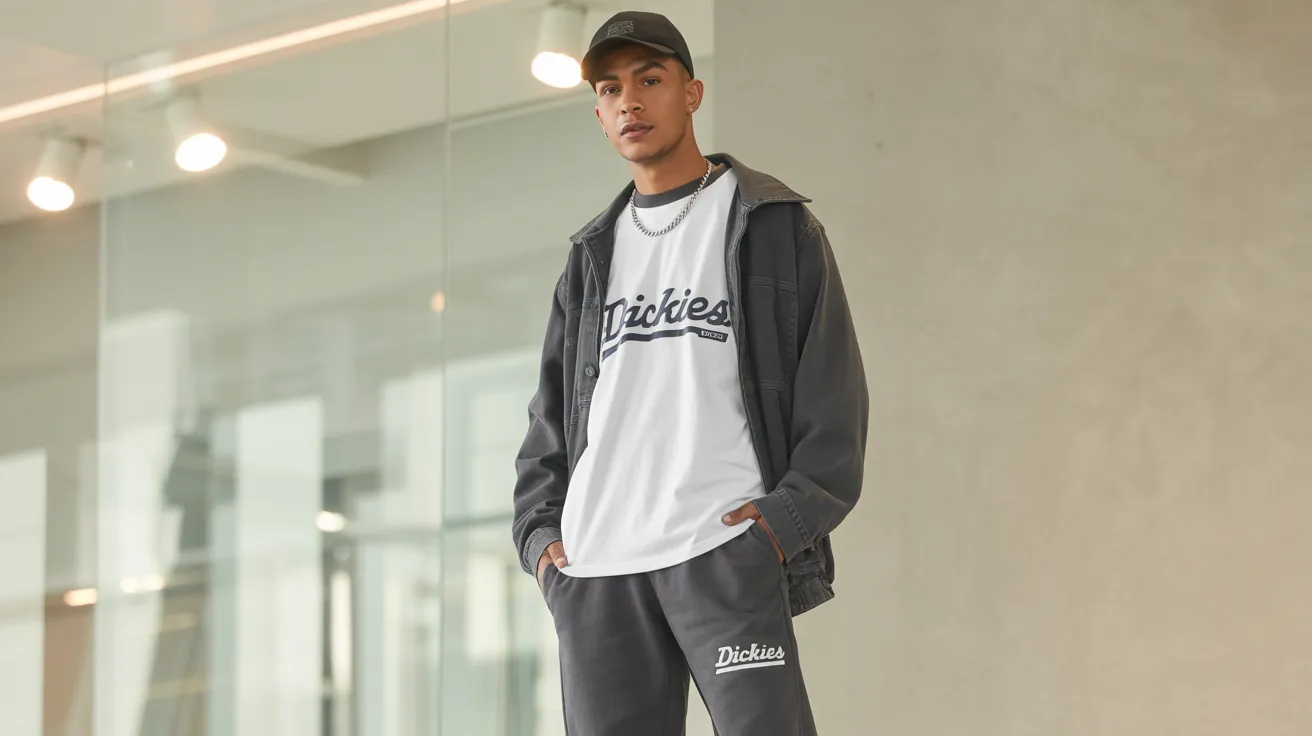
When considering key clothing pieces, versatile fundamental pieces function as the foundation for simple blending. A carefully chosen selection of colors further enhances these core pieces, permitting seamless combinations. Together, these elements establish a cohesive and adaptable collection that reduces complexity in daily styling choices.
Key Versatile Pieces
A thoughtfully assembled wardrobe is centered on crucial versatile pieces that easily adapt to various occasions and styles. Key staples include a custom blazer that elevates casual outfits and goes with formal attire. A classic white button-up shirt acts as a foundational element blending smoothly with jeans, skirts, or trousers. Comfortable, well-fitting jeans are essential; they can shift from day to night with ease. A little black dress grants endless styling possibilities, perfect for casual or formal occasions. Footwear options such as ankle boots or versatile flats give both comfort and style, making it easy to switch between looks. Finally, a timeless handbag can tie any outfit together, making these pieces important for creating easy outfits.
Basic Color Palette
Color palettes represent an significant aspect in developing a coordinated wardrobe that permits straightforward pairing of pieces. A thoughtfully assembled color palette commonly features a blend of basic tones, accent shades, and matching colors. Neutrals such as black, white, gray, and beige act as the core, providing versatility and lasting appeal. Introducing several vibrant tones, such as navy or burgundy, increases aesthetic quality without overwhelming perception. Weaving in complementary colors makes certain that clothing items can be readily combined, establishing a harmonious appearance. It is suggested to select a focused palette that resonates personally, facilitating personal creativity while easing wardrobe choices. In conclusion, a deliberate color palette reshapes a clothing assortment into a seamless wardrobe, making possible effortless style.
Color Balance Ideas for Fashionable Outfits
Effective color coordination can enhance any outfit, as it allows people to express their personal style while creating a harmonious appearance. To achieve this, one should begin by understanding the color wheel, identifying colors that complement each other that enhance each other. For instance, pairing warm tones like reds and oranges with cool shades such as blues and greens can create bold contrasts.
Neutral colors, including black, white, and beige, work as versatile bases that can ground bolder tones. Additionally, incorporating varying shades of the same color—known as monochromatic styling—can create dimension without saturating the look.
By applying the 60-30-10 rule, where 60% of the outfit is a dominant color, 30% a complementary tone, and 10% an highlight, you can ensure even color balance. Ultimately, experimenting with different combinations will assist in developing one's personal aesthetic while maintaining a polished appearance.
Combining Motifs and Textures for Design Engagement
Combining designs and materials can convert an standard outfit into an captivating ensemble. To achieve a visually appealing look, one must consider equilibrium and coordination. Pairing striking designs, such as stripes or florals, with more subdued textures can create contrast without overwhelming the eye. For example, a floral blouse can be beautifully complemented by a patterned jean jacket, creating dimension to the outfit.
Blending various materials, including knits, silks, or leathers, enhances the general aesthetic. When layering patterns, it is prudent to maintain a consistent color range to preserve unity. A polka dot skirt, for instance, can pair nicely with a striped top if both contain a similar color.
Also, changing the scale of designs—pairing oversized patterns with smaller ones—can provide aesthetic appeal and prevent clashing. In the end, the secret exists within trial and error, allowing personal style to shine through while creating enchanting combinations.
The Art of Layering for a Chic Style
Layering can strengthen any outfit, producing a elegant statement. The key to promising layering lies in balancing proportions and textures. Start with a close-fitting base layer, such as a simple tank or turtleneck, which serves as a groundwork. Next, incorporate a slightly looser mid-layer, like a button-up shirt or lightweight sweater, to add dimension without bulk.
Outer layers including sleek blazers or baggy cardigans can enhance the aesthetic while ensuring heat and elegance. Choose complementary colors and patterns to produce visual interest, making certain that each layer enhances rather than competes with the others.
Accessories, like a stylish scarf or a statement jacket, can enhance the layered ensemble. Ultimately, the practice of layering transforms simple garments into a unified, refined look, allowing the wearer to express personal style effortlessly.
Accessorizing to Transform Your Appearance
Embellishments serve a vital role in improving any outfit. Bold accessories can convert a basic look into a striking impression, while versatile bag options offer both functionality and flair. Together, these elements can elevate a look from ordinary to spectacular.
Statement Jewelry Options
While a carefully selected wardrobe serves as a solid foundation, the right statement jewelry can transform an outfit from simple to remarkable. Bold necklaces, oversized earrings, or striking cuffs can serve as highlights, drawing attention and amplifying personal style. When selecting statement pieces, consider the balance between the jewelry and the outfit; a dramatic necklace pairs well with a minimalist top, while intricate earrings can enhance a sleek hairstyle. Additionally, mixing textures and materials can create aesthetic appeal. For those unsure about their choices, opting for one or two standout pieces can provide a sophisticated look without dominating the ensemble. Ultimately, statement jewelry not only showcases individuality but also adds a layer of elegance to any attire.
Multi-Purpose Bag Choices
Bags can quickly elevate any outfit, serving both practical and aesthetic purposes. A perfectly selected bag not only complements a look but also boosts functionality. Flexible options such as classic totes, crossbody bags, and structured satchels adapt well to various occasions. Totes are excellent for day-to-day errands, offering adequate space without compromising style. Crossbody bags supply a hands-free option, perfect for everyday outings or travel. Structured satchels add a neat touch to work attire, making them well suited for corporate environments. Additionally, incorporating neutral colors can guarantee that these bags perfectly integrate with different outfits. By picking the appropriate bag, users can effortlessly change from day to night, demonstrating a well-curated sense of style while preserving practicality.
Experimenting With Your Style
As people want to display their unique personalities through fashion, experimenting with different styles becomes important. To discover one's personal style, it is wise to start by reviewing the current collection. Spotting staple pieces can reveal personal preferences and inform future purchases. Blending colors and materials can also lead to novel discover here yet attractive combinations, promoting creativity in wardrobe decisions.
Another successful method is to seek inspiration from diverse places, such as fashion blogs, social media, or street style. Testing various shapes and hues can additionally reveal what feels comfortable and authentic. A readiness to step outside one's comfort zone is crucial; incorporating striking additions or standout items can revamp an outfit dramatically.
Ultimately, recording outfits through pictures can assist people in tracking their changing style. This meditative approach enables a more lucid comprehension of what attracts, ultimately leading to a more cohesive and personalized wardrobe.
Common Inquiries Asked
What's the Best Way to Figure Out My Own Fashion Type?
To determine one's individual fashion classification, one should consider personal preferences, explore fashion inspirations, evaluate essential clothing pieces, and take into account daily requirements. Trying various outfits can better define and evolve individual style expressions over time.
What Can I Do With Garments I Seldom Wear?
She proposed reviewing seldom-worn clothes, deciding whether to donate, sell, or repurpose them. This procedure could streamline her wardrobe, improve structure, and permit her to prioritize items that truly express her unique aesthetic.
What regularly ought to I refresh My Wardrobe?
Specialists advise updating a wardrobe seasonally, generally every three to six months. This ensures the collection remains fresh and aligned with current trends, personal style evolution, and changing lifestyle needs. Consistent assessment fosters a flexible, functional wardrobe.
Should I Mix Seasonal Clothing Throughout the Year?
Yes, incorporating seasonal clothing throughout the year is doable. By uniting multi-purpose garments, one can craft unique outfits that conform to changing weather, personal style, and gatherings, enriching both practicality and creativity in wardrobe selections.
What are a few budget-conscious ideas to upgrade my wardrobe?
Budget-conscious ways to refresh a wardrobe include thrifting, swapping clothes with friends, DIY alterations, and accessorizing existing pieces.Additionally, incorporating versatile basics can create new looks without significant spending, maximizing creativity and style.